Section
Printing History
How printing, fax, and document technology developed over time.
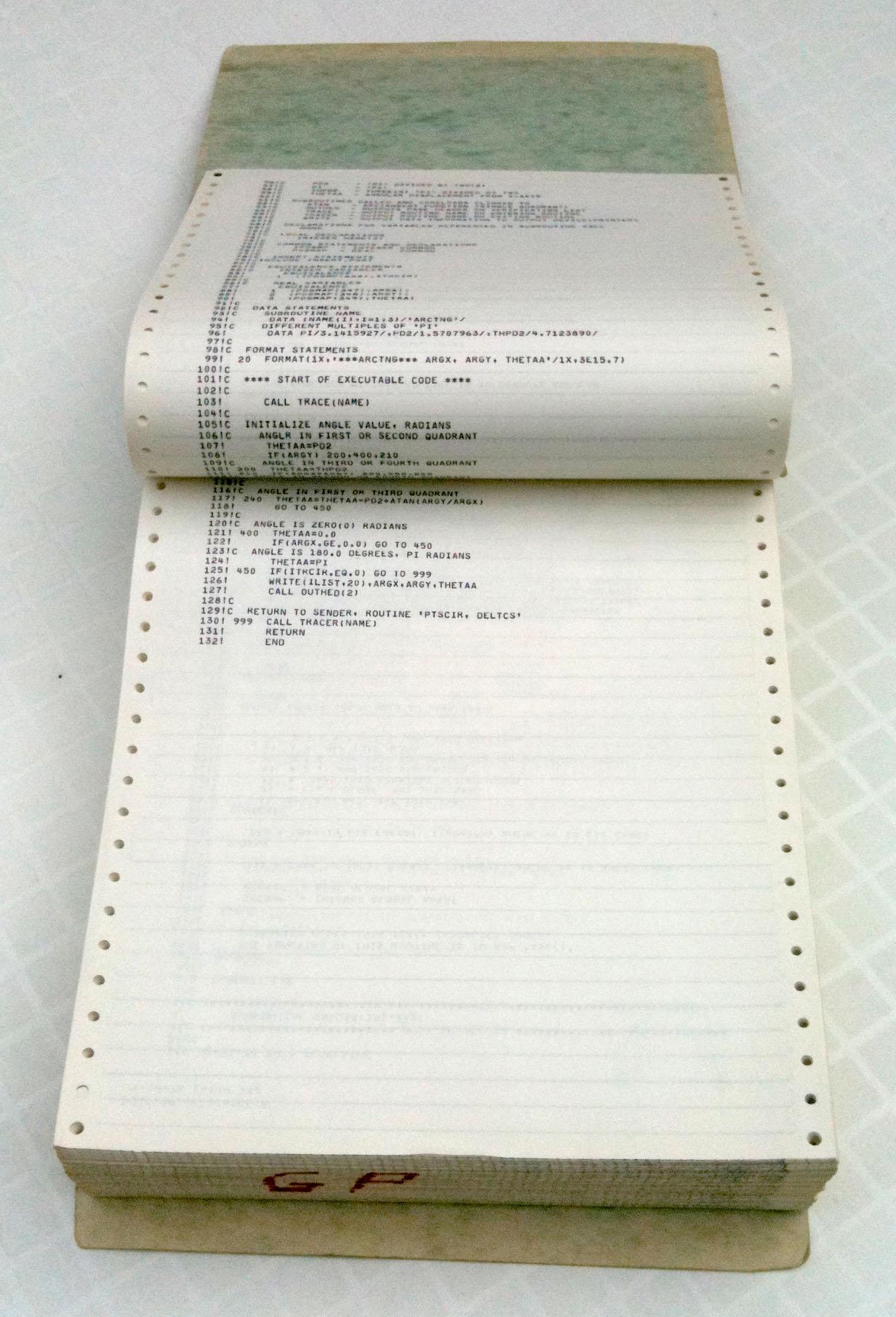
How printing reached paper — from impact-era mechanical systems to the laser-driven desk and the shared-printer office. Entries are organised around the operational character of each era rather than around specific dates.
Evolution
From the hammer to the network
Printing did not arrive — it evolved. Each era solved the limits of the one before it.
- 01ImpactMechanical & dot matrixCharacters formed by striking an inked ribbon against the page.
- 02Non-impactThe laser revolutionStatic electricity and fused toner replace the hammer and ribbon.
- 03Non-impactInkjet for everyoneTiny droplets bring affordable colour to the home and office.
- 04NetworkedThe shared officePrinters become networked, multifunction, shared infrastructure.
printing evolution
From the plastic key to the downloaded profileFrom SIM Card to eSIM: How Network Identity Stopped Being a CardA SIM was never really a card. It was a small file system with a secret inside it, and the plastic was packaging — a way of getting a microcontroller into a pocket and out again. When remote provisioning arrived, that file system did not go anywhere. It simply stopped travelling by hand. What changed was the delivery mechanism, and, far more consequentially, the question of who is permitted to authorise a change of identity.
- Mobile Printing Before AirPrint: PictBridge, Infrared, Bluetooth, and Email-to-PrintHow cameras, PDAs and phones printed before 2010 — DPOF, PictBridge, IrLPT, Bluetooth object push, email-to-print — and why each workaround stalled.From beam and dongle to network participant21
- Envoy, Common Ground and Replica: The Portable Document Formats PDF BeatAcrobat entered a crowded market. What Envoy, Common Ground and Farallon Replica were, what offices used before them, and what the record says decided it.The portable-document format war12
- The History of Desktop PublishingHow the production of a finished page collapsed from a multi-trade workflow into a single desk — and what that displaced.The page on the desk3
- The Evolution of Office PrintingHow printing in the office became shared infrastructure — a contended, managed resource rather than a personal device on a desk.The shared-office era—
- The Transition from Impact to Laser PrintingWhy offices moved from striking paper to forming pages with light and toner, and what that shift gained and gave up.From the hammer to the page3
- The History of Wireless PrintingHow removing the cable changed what a printer was for — from a fixed endpoint you walked to into a service any device could reach.Printing without the cable—
- The Evolution of Color PrintingHow colour moved from a costly, specialist exception in the office to an unremarkable default — and what that normalisation cost.Color becomes ordinary—
office infrastructure
- The Résumé as a Document: How Machines Shaped a PageThe résumé has no inventor. Its shape was set by the machines that made and read the page — typewriter, photocopier, flatbed scanner, and finally a parser.From typed sheet to parsed record15
- Floppies, Modems, and Why Archive Formats Became MandatoryFloppy capacity and modem throughput were hard ceilings. How they made bundling plus compression a format requirement, not a convenience, before the web existed.From diskette to dial-up17
- The Paperless Office That Wasn't: A 1975 Forecast and What Happened InsteadThe 1975 Business Week forecast everyone cites and nobody has read: what it really was, why the retellings sanded it down, and why it is now half-right.From the office of the future to the electronic record14
- Enterprise Document ManagementHow organisations moved from filing cabinets to managing documents as governed records: captured, indexed, retrieved, retained, and disposed of by rule.The managed-document enterprise—
- Spoolers and Print QueuesSpooling solved an economic problem before a technical one: how to keep a slow, expensive printer fully used while never making a fast computer or its user wait.Decoupling the request from the print—
- Print Servers in Large OfficesAt scale, the print server stopped being a way to share a device and became an instrument of governance — metering, quotas, defaults, and fleet control.The managed print fleet—
- Office Print RoomsBefore printing reached every desk, output lived in a staffed print room: a department, a cost centre, and a chokepoint that desktop printing later dismantled.The centralised print room—
impact and early digital
- RAR, Eugene Roshal, and the Licence That Splits Decoder from EncoderRAR's decoder is published for anyone to use; its compressor is withheld by one licence clause. That clause, not compression quality, decides who can write RAR.From shareware archiver to source-available decoder15
- How ZIP Became the Universal Archive: Phil Katz, ARC, and the 1988 LawsuitZIP opens everywhere because a 1988 lawsuit over a different format, ARC, pushed Phil Katz to build a new one and to publish its specification for anyone to use.From BBS file library to universal container12
- Early Network Printing SystemsWhen a printer stopped belonging to one desk, a queue appeared — and with it an office etiquette, an informal authority, and norms that outlived the hardware.The first shared-printer networks—
- How Early Laser Printers WorkedEarly laser printing was an institutional instrument before a personal one — a centralised capital asset that changed who could command typeset-quality pages.The early laser era—
- How Impact Printing WorkedImpact printing endured because it was forgiving: it tolerated poor conditions, cheap supplies, and neglect, and failed slowly rather than suddenly.The impact-printing era—
- How Dot Matrix Printers WorkDot matrix solved an office problem before it was a mechanism: cheap, durable, simultaneous multi-part copies created in the act of printing.The impact-printing era—
office printing era
- Printing in the 1980sHow impact-era output shaped the 1980s desk: continuous paper, mechanical pacing, and a workday organised around a loud, physical machine.The 1980s office—
- Office Printing Before Wi-FiBefore wireless, printing was a located, wired activity: cables fixed devices in place, and the office's topology decided who could print what.Before the wireless office—
- Printing in the 1990sThe 1990s turned printing into a contested shared resource: queues, prioritisation, and the new office question of whose job ran next.The 1990s office—
printing history
- Early Computer PrintingHow early computers produced printed output, from line printers to the move toward page-oriented printing.From line-based output to page printing—
- The Evolution of Laser PrintingHow laser printing developed from a specialised technology into a standard for fast, sharp office output.From specialised equipment to mainstream office printing3
- The History of Fax MachinesHow the idea of sending images over a distance developed into the office fax machine and its eventual decline.From early image transmission to the digital decline3
- The History of PrintersHow printing technology progressed from early hand methods through mechanical presses to modern non-impact digital printers.From early printing to the digital era3
- Office Printing in the 1990sHow the 1990s office shifted toward shared networked printers, laser output, and document-centric workflows.The networked-office decade—
- Dot Matrix Printers ExplainedWhat dot matrix printers are, how impact printing works, and why the technology persisted in specific roles.The impact-printing era and its lasting niches—
- A History of Thermal PrintingHow thermal printing became the standard for receipts, labels, and tickets, and how the two main thermal methods differ.The rise of heat-based receipt and label printing—
- The Evolution of Inkjet PrintersHow inkjet printing grew from a niche technique into a dominant home and photo printing technology.From niche technique to common home colour printing—