Key takeaways
- Early computer output was largely impact and line-oriented.
- Output was often continuous fan-fold paper rather than cut sheets.
- The shift to page-oriented printing changed how documents were composed.
Early computer printing looked very different from today's page-at-a-time model. Output was frequently produced a line at a time onto continuous fan-fold paper, prioritising throughput and reliability over typographic refinement.
Line-oriented output
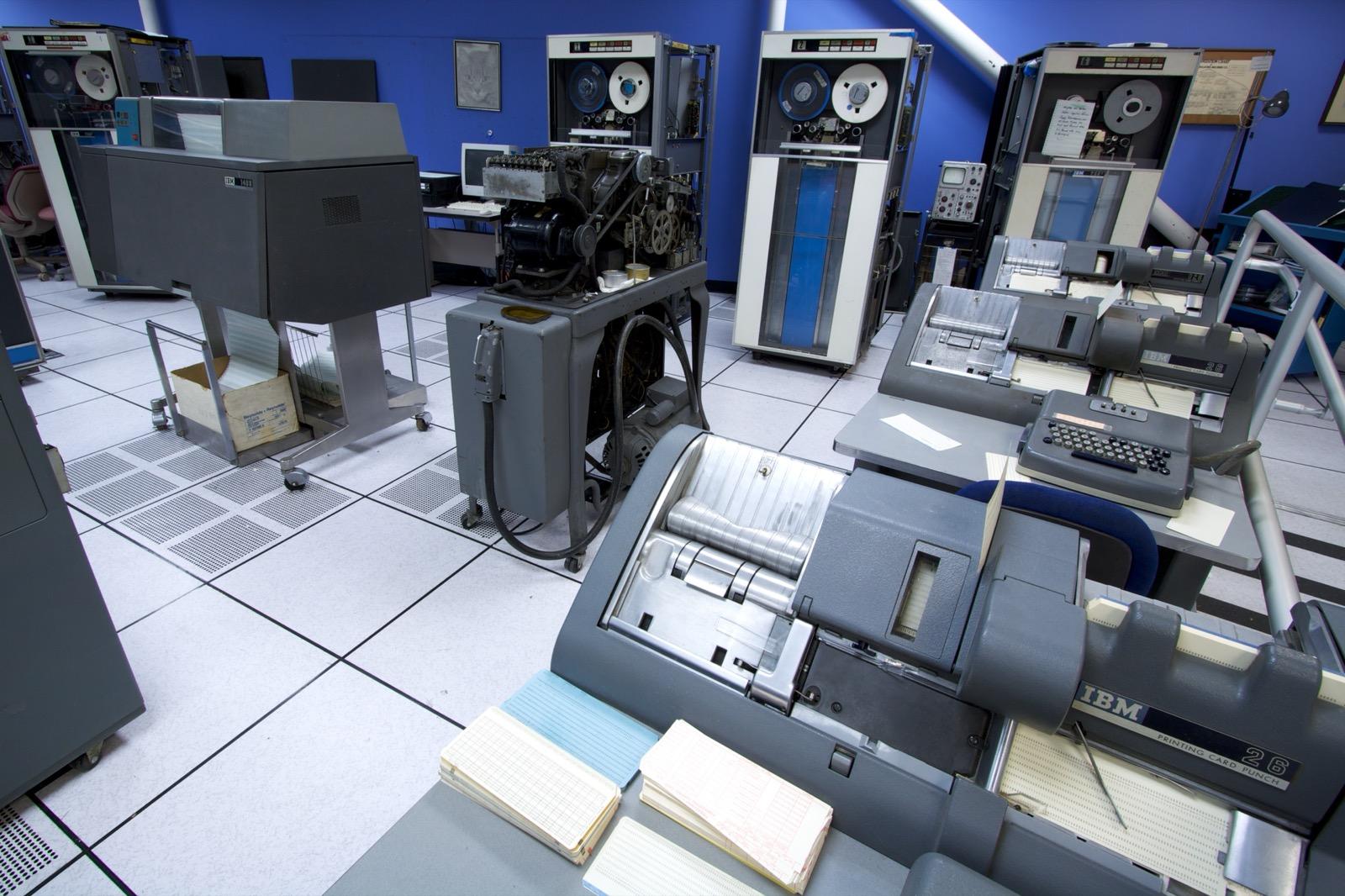
Many early printers worked line by line and were mechanical and impact-based. They were built for volume and durability in computing environments rather than for fine graphics.

Continuous paper
Continuous fan-fold paper with tractor-feed holes was common, suited to long, uninterrupted runs of reports and data rather than individual cut sheets.

Toward the page model
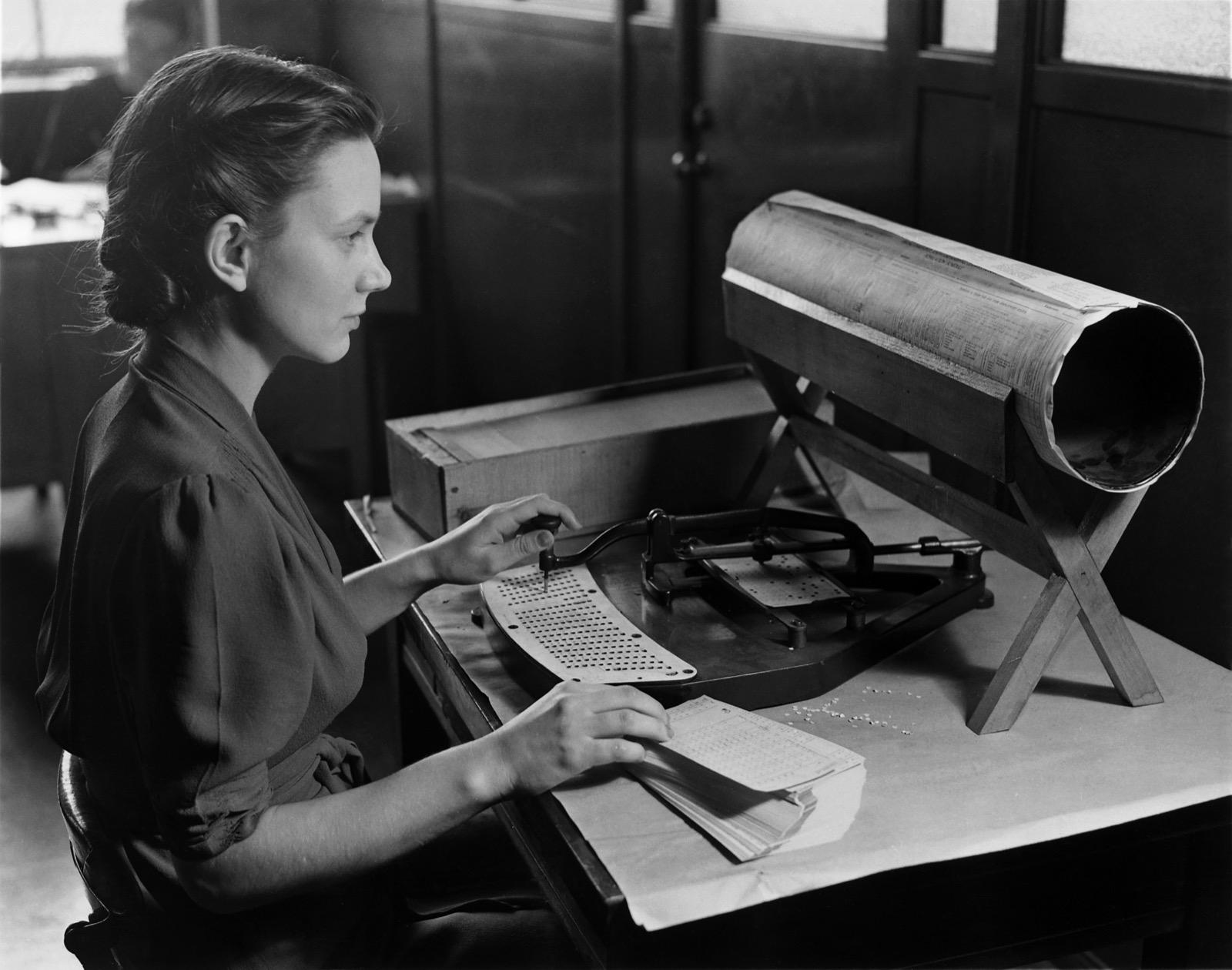
As non-impact printing and page description approaches matured, output became page-oriented. Documents could be composed as full pages with mixed text and graphics, which reshaped how people designed and produced printed material.
Frequently asked questions
- Why did early printers use continuous paper?
- Continuous fan-fold paper with tractor feed suited long, uninterrupted runs of reports and data, which was the common need.
- How was early computer printing different from today?
- It was largely line-oriented and impact-based, focused on throughput, rather than the page-at-a-time model with rich graphics that came later.
- What changed with page-oriented printing?
- Treating output as full pages allowed mixed text and graphics composed as a page, changing how documents were designed.
Continue in the archive
Related reading
History · The impact-printing era and its lasting niches
Dot Matrix Printers Explained
What dot matrix printers are, how impact printing works, and why the technology persisted in specific roles.
History · From early printing to the digital era
The History of Printers
How printing technology progressed from early hand methods through mechanical presses to modern non-impact digital printers.
History · The networked-office decade
Office Printing in the 1990s
How the 1990s office shifted toward shared networked printers, laser output, and document-centric workflows.
History · From early image transmission to the digital decline
The History of Fax Machines
How the idea of sending images over a distance developed into the office fax machine and its eventual decline.