Key takeaways
- The principle of scanning an image and sending it over a wire predates modern electronics.
- Standardisation made fax interoperable between machines from different manufacturers.
- Fax declined as email and digital document exchange became dominant, but persists in some sectors.
An old idea
The core idea behind fax — scanning an image line by line, sending a representation of it over a distance, and reconstructing it at the other end — was explored well before the familiar office machine existed. Early experiments demonstrated that images, not just signals, could be transmitted over wires.
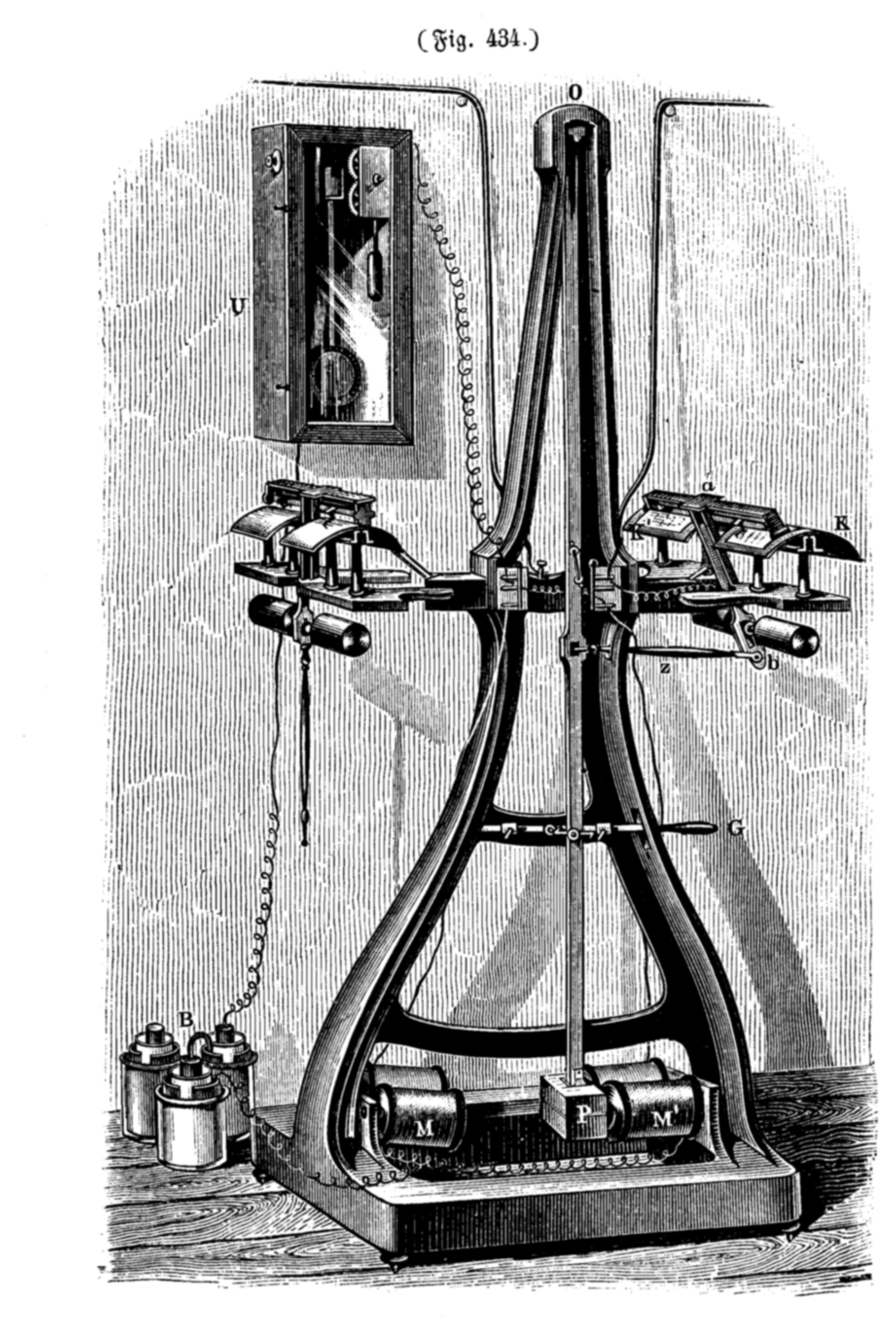

From experiment to practical device
Over time, image transmission moved from specialised experiments toward practical equipment. As telephone networks became widespread, fax found a natural medium: a document could be sent over an ordinary phone line to a machine that printed a copy at the destination.
Standardisation and the office boom
Fax became genuinely useful for business once machines from different makers could reliably communicate. Common standards defined how machines negotiated a connection and encoded pages, which allowed the office fax machine to become a routine fixture for sending contracts, forms, and signed documents.
Decline and persistence
As email and digital document exchange matured, the everyday need for fax fell sharply. Even so, fax has persisted in certain sectors where signed documents, established procedures, or regulatory expectations keep it in use, sometimes in software form rather than dedicated hardware.
Early experiments
Image transmission over wires is demonstrated in principle.
Practical equipment
Image transmission becomes usable equipment as telephone networks spread.
Standardised office era
Common standards make fax interoperable; the office fax machine becomes routine.
Digital decline
Email and digital exchange reduce everyday fax use, though it persists in some sectors.
Frequently asked questions
- Is fax really older than computers?
- The underlying concept of transmitting an image over a wire was explored long before modern computers. The familiar office machine came much later.
- Why is fax still used at all?
- In some sectors, established procedures and the need to transmit signed documents without shared systems have kept fax in use, often as software rather than hardware.
- What made fax interoperable?
- Common standards defined how machines connected and encoded pages, allowing devices from different manufacturers to communicate.
Source transparency (3 sources)
These references support claims made in this entry. The archive uses verified institutional and public-domain sources only; see Source policy.
Sources consulted (3)
- Faxed: The Rise and Fall of the Fax Machine — Jonathan Coopersmith, Johns Hopkins University Press, 2015
- Fax — Wikipedia
- Telegraphy — Wikipedia
Continue in the archive
Related reading
Fax · Introductory
How Fax Machines Work
How a fax machine scans a page, sends it over a telephone connection, and reconstructs it at the other end.
History · From early printing to the digital era
The History of Printers
How printing technology progressed from early hand methods through mechanical presses to modern non-impact digital printers.
Fax · The fax era of business
The History of Business Faxing
How the ability to move a signed page across distance in minutes reshaped commercial tempo, then quietly became ordinary office infrastructure.
Fax · The persistent exception
Why Fax Is Still Used
Why a technology widely declared obsolete is still in active use, and what the persistence reveals about trust, evidence, and the cost of switching.