Key takeaways
- Inkjet builds images from very small droplets of liquid ink.
- Affordable colour and photo quality drove its adoption in the home.
- Media and ink behaviour have always been central to inkjet quality.
Inkjet printing matured into a mainstream technology largely because it offered affordable colour. Where early personal printing was often monochrome and text-focused, inkjet made photographic and colour output accessible at home.
The core method
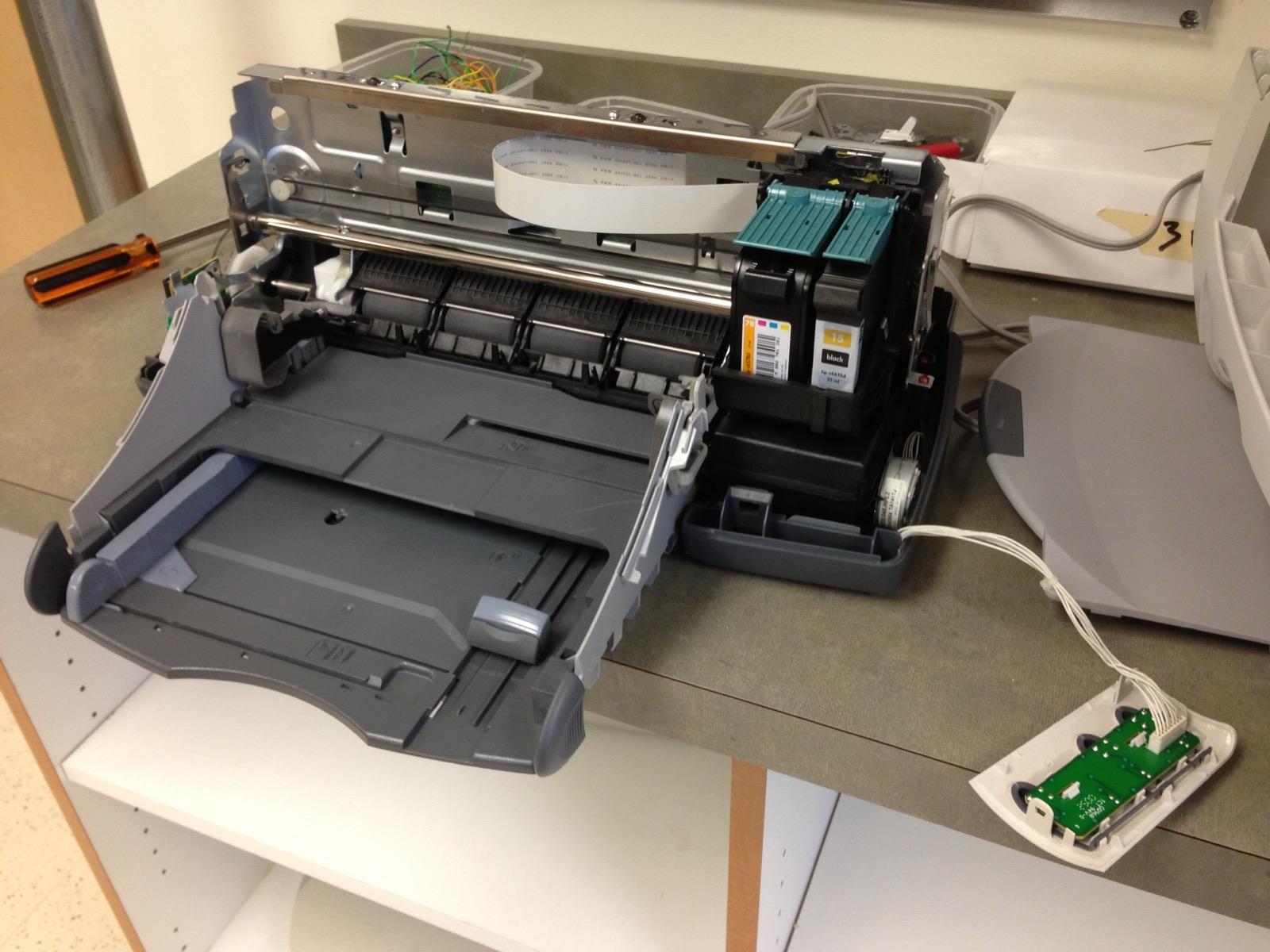
An inkjet printer forms images by placing very small droplets of liquid ink in precise positions as a print head moves across the page and paper advances beneath it. The principle has stayed consistent while precision and reliability improved.

Why it succeeded in the home
Lower entry cost and competent colour and photo output made inkjet a natural fit for households. It complemented, rather than replaced, laser printing, which remained strong for high-volume monochrome documents.
The continuing role of media
Because the ink is liquid, the paper has always mattered. Plain paper can let ink spread; papers designed for inkjet hold droplets more precisely. This relationship between ink and media remains a defining characteristic.
Frequently asked questions
- Why did inkjet become popular at home?
- It offered affordable colour and competent photo output at a low entry cost, which suited household needs.
- Did inkjet replace laser printing?
- No. The two coexisted: inkjet for affordable colour and photos, laser for fast, high-volume monochrome documents.
- Why does paper still matter for inkjet?
- Liquid ink interacts with the surface it lands on, so media choice continues to affect sharpness and colour.
Continue in the archive
Related reading
Guides · Introductory
How Inkjet Printers Work
How an inkjet printer forms an image by precisely placing tiny droplets of liquid ink onto paper.
Guides · Introductory
Laser vs Inkjet Printers
A balanced, factual comparison of laser and inkjet printing and which suits text, colour, photos, and volume.
History · From early printing to the digital era
The History of Printers
How printing technology progressed from early hand methods through mechanical presses to modern non-impact digital printers.
History · From early image transmission to the digital decline
The History of Fax Machines
How the idea of sending images over a distance developed into the office fax machine and its eventual decline.