Key takeaways
- Faxing scans a page into light and dark information line by line.
- The two machines first negotiate how they will communicate.
- The receiving machine reconstructs the page from the transmitted information and prints it.
A fax machine sends a copy of a physical page to another machine over a telephone connection. Conceptually it scans, transmits, and then reprints the page at the destination.
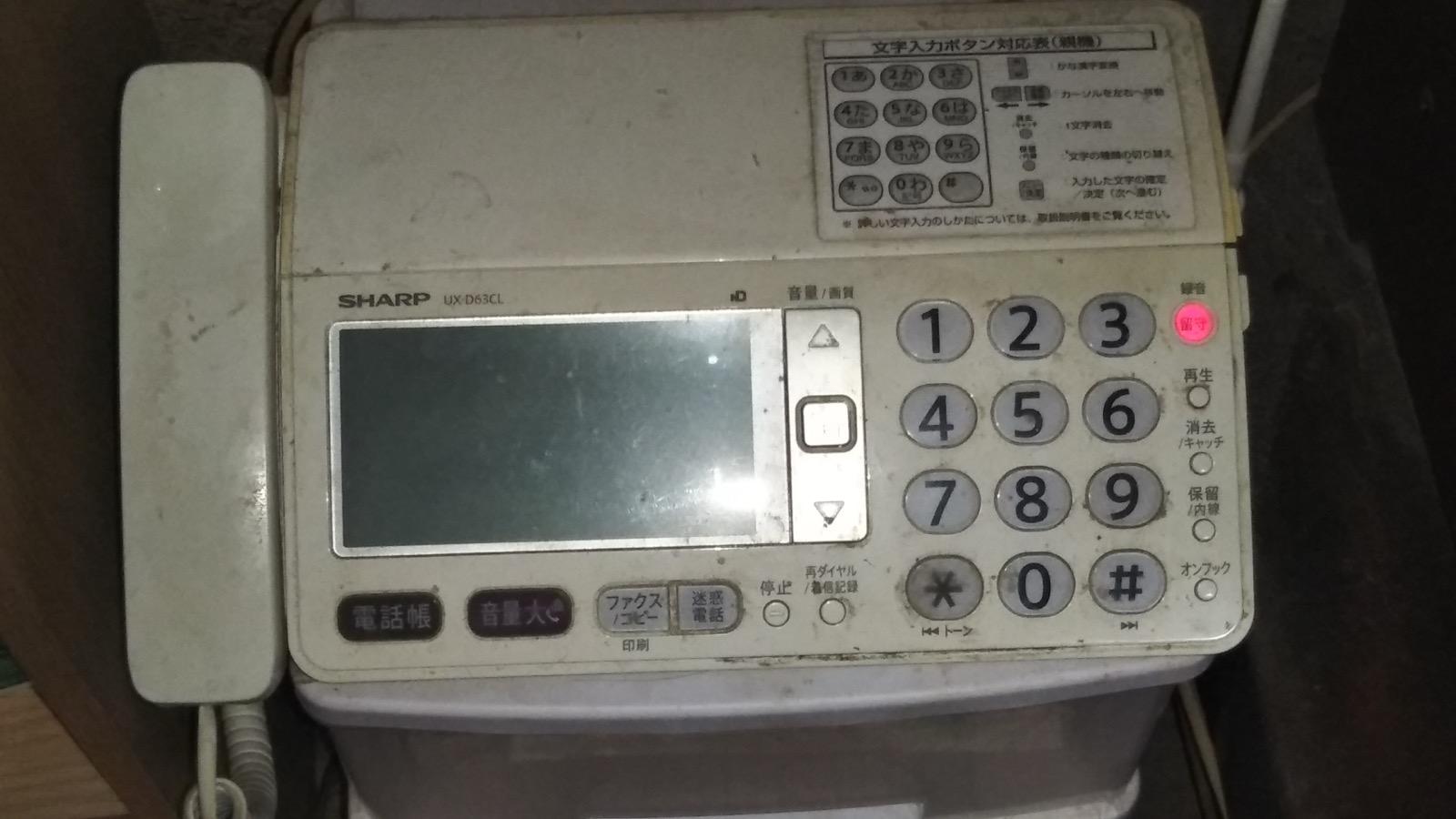

Scanning the page
The sending machine moves the page past a sensor and reads it as a series of lines, recording where each line is light or dark. This turns the visual page into information that can be transmitted.
Negotiating the connection
Before sending the page, the two machines exchange signals to agree on how they will communicate. This negotiation is what allows machines from different makers to interoperate reliably.
Transmission and reconstruction
The page information is sent over the connection. The receiving machine reverses the process: it reconstructs the lines of light and dark and prints them, producing a copy of the original page.
What a fax actually transmits
It is worth being precise about what travels over the line. The paper itself does not move; what is sent is a description of the page as a sequence of light and dark regions. The receiving machine uses that description to produce its own printed copy, which is why a fax is a reconstruction rather than the original document.
Fax compared with digital alternatives
Email and digital document exchange send a file that can be stored, searched, and reproduced exactly. A traditional fax instead reconstructs an image of a page at the destination. This difference in nature — an exact file versus a reconstructed page image — is part of why fax persisted for signed documents while losing ground for everyday correspondence.
Frequently asked questions
- What does a fax machine actually send?
- It sends information describing the page as a sequence of light and dark lines, not the paper itself.
- Why do fax machines make negotiation tones?
- Before transmitting, the machines exchange signals to agree how they will communicate and synchronise.
- How does the other machine produce a copy?
- The receiving machine reconstructs the transmitted line information and prints it, recreating the original page.
Continue in the archive
Related reading
History · From early image transmission to the digital decline
The History of Fax Machines
How the idea of sending images over a distance developed into the office fax machine and its eventual decline.
History · From early printing to the digital era
The History of Printers
How printing technology progressed from early hand methods through mechanical presses to modern non-impact digital printers.
History · From specialised equipment to mainstream office printing
The Evolution of Laser Printing
How laser printing developed from a specialised technology into a standard for fast, sharp office output.
History · From niche technique to common home colour printing
The Evolution of Inkjet Printers
How inkjet printing grew from a niche technique into a dominant home and photo printing technology.
Modern tools
Contemporary apps for the same task, published by HELPERG LLC — the publisher of this archive.

Fax
Send and receive faxes from a phone or a browser, without a fax machine.